Loads of nonsense, a few pretty things and crowds of good looking people. Too much bent sheet metal and way too many shapes with exposed hardware. I caught myself thinking most pieces really come across as self portraits of ambitions and personal issues. There was a chair that had piercings, why? Later that week on 25th of April I walked into an anti capitalist protests seeing some of the chic designers joining the march, what for? I mostly sensed confusion, lack of direction and a lot of bad style. Victor Papanek(1923 - 1998) was an Austrian-born American designer and educator, strong advocate of the socially and ecologically responsible design comes to mind who wrote of social responsibility, while I find myself neutral in regards what merit counts as social contribution, the reason I think of him is because he spoke of there being a merit. Problem solving, system thinking and ability to zoom out just to name the few are skills I associate design with. Marc Andreessen from a16z, the largest venture capital firm in Silicon Valley, stated repeatedly that he often would choose companies that he invested in based on the merit according to which they solve a problem or in other words pain of another client the best. Merit is a very important thing for a designer, not because of it being means with which to judge competition with or justify oneself but because design process consists of recognition of various simultaneously present problems which need to be dealt with according to each others merit. It is this design thinking that allows to take issue apart and look at all of the nuances independently yet also in relation to each other and find the most fit solution. That is not only by focusing on what material wants and sort of freeform it but in terms what could this mean to a larger extent of the culture, industry, zeitgeist, consumer, market and taste/beauty. Lets say there is a plastic straw factory going out of business because European Union is banning single use plastics, wouldn’t it be exciting for a designer to respond and search for a new use for the same machines, or existing supply chain and try to rethink how could that be redesigned, recontextualized and reconfigure the production for something else instead of just stopping the conversation at a moral binary by saying that all plastic is bad not use it at all.
Dean Kissickb. 1985 is an art critic and editor at Spike Magazine said that purpose of art is to bridge upper class and working class by creating a stage for conversation. Not to justify righteousness, teach or moralise but have the audacity to depict world as it is without judgement, for the viewer to find themselves somewhere in the world depicted. While artists work with mediums detached from functional practicality, designer while similar in process focuses solely on the material as means of practical exploration, wherein exploration of the human and its relation to the effect materiality can create. If artist tells stories about life; designers tell stories of ambition of physical act of the human body and sometimes also try get us there, f.e search for the best fit tolerance of the piston head inside Honda engine is done so only in relation the greater desire to travel even faster, ambition, or if I translate this analogy in the context of the furniture design alone, search for how the body can rest, work, heal and live. Chair is the narrative and material is the lyricism.
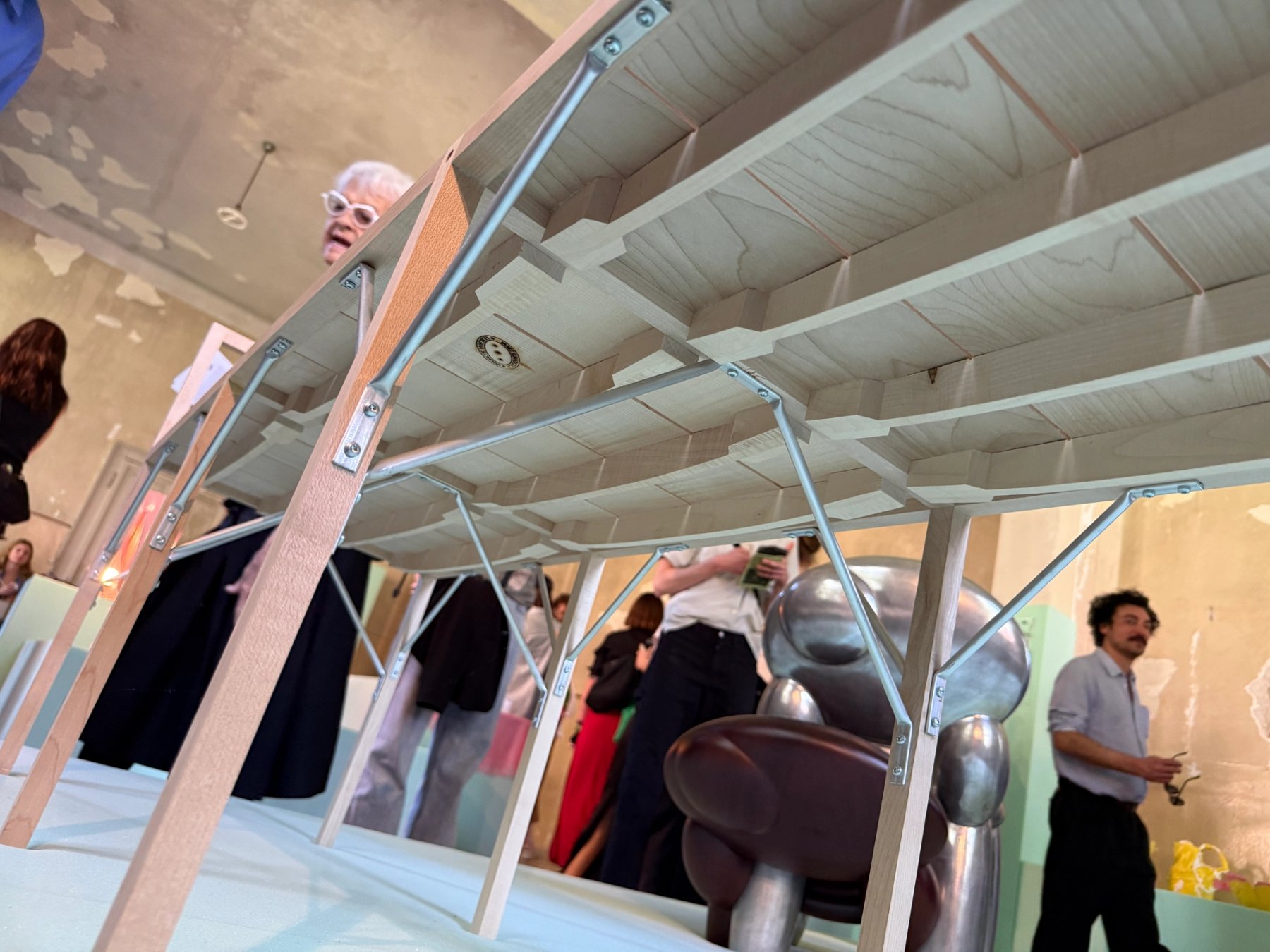
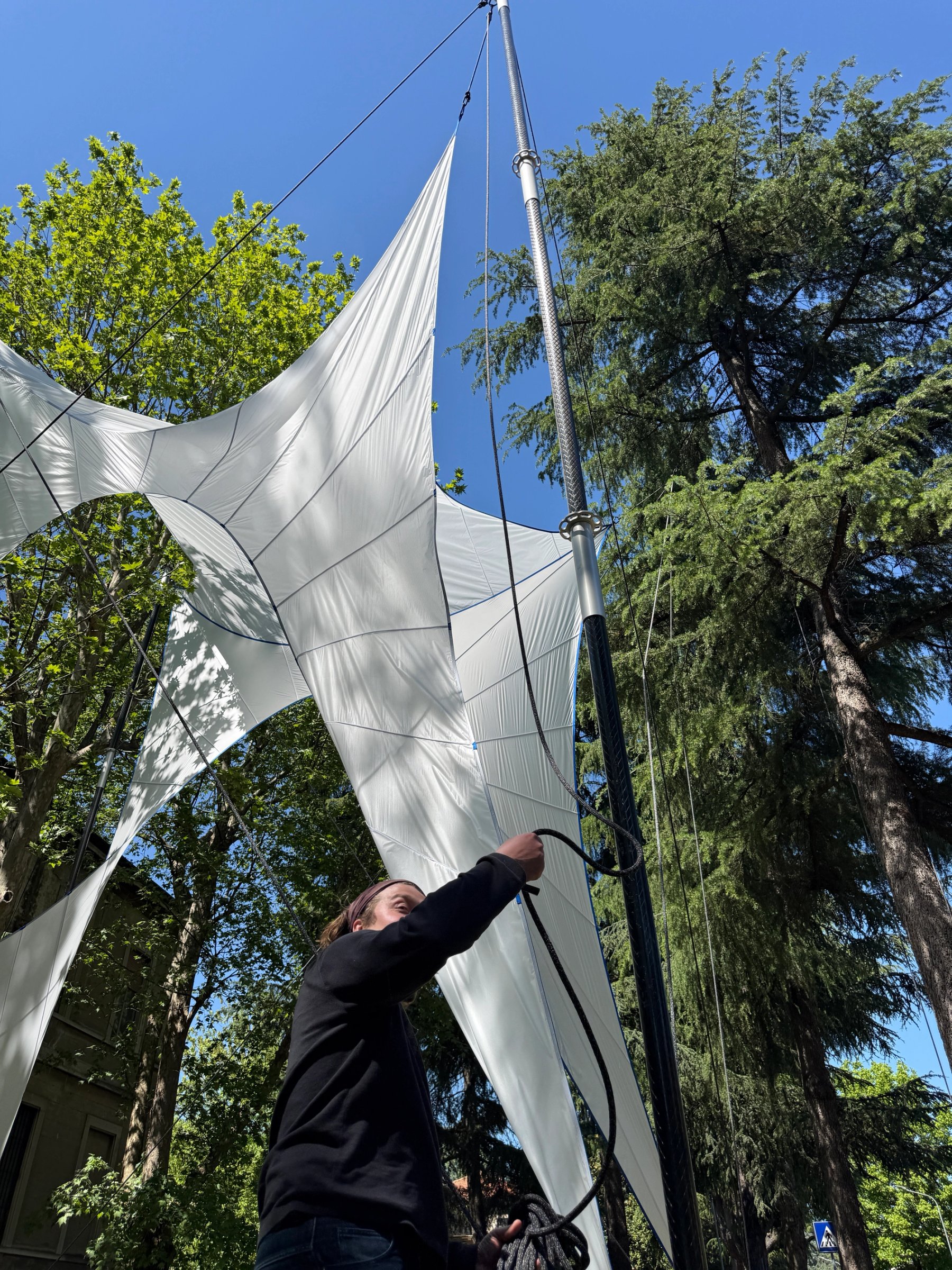
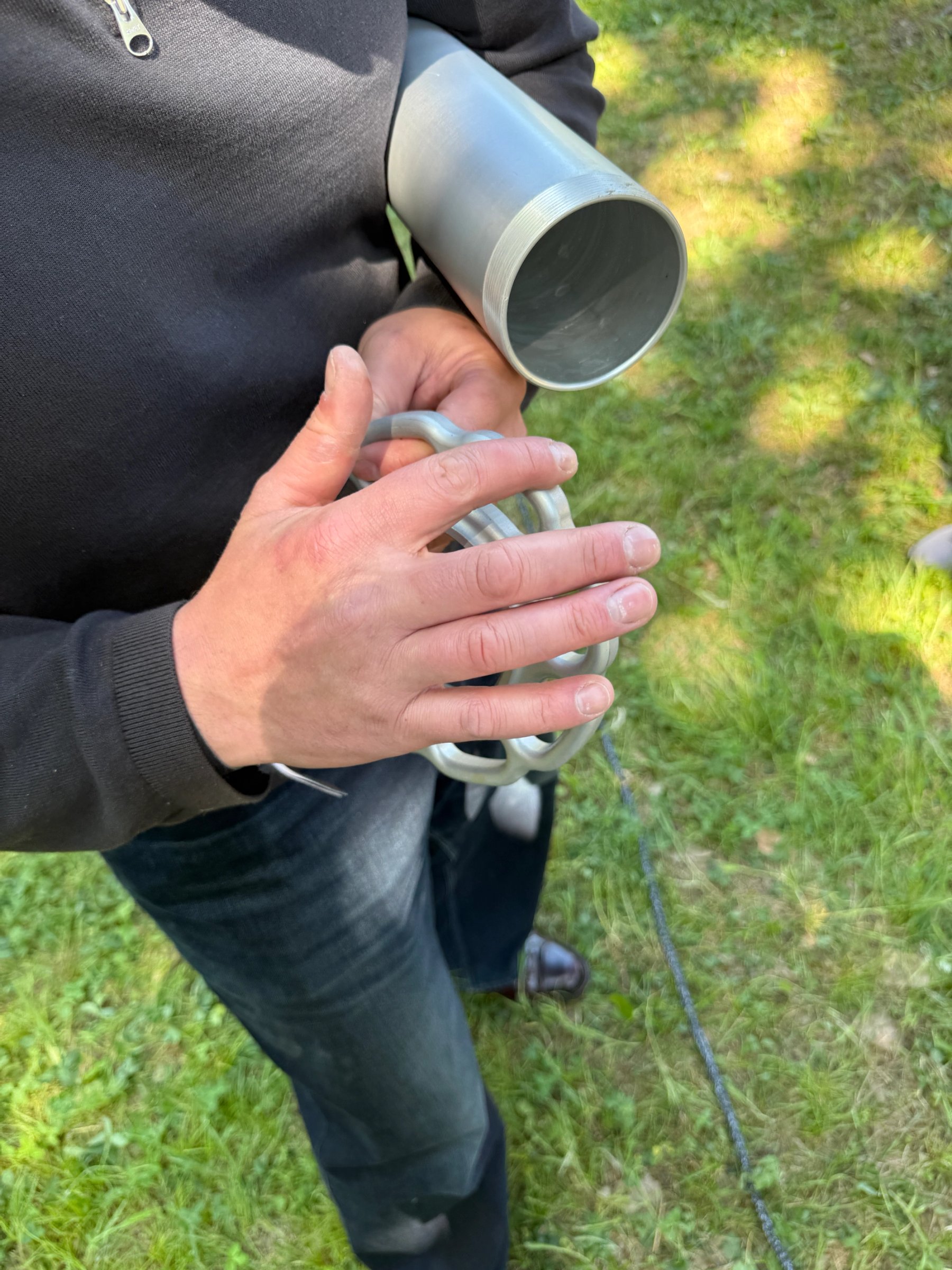
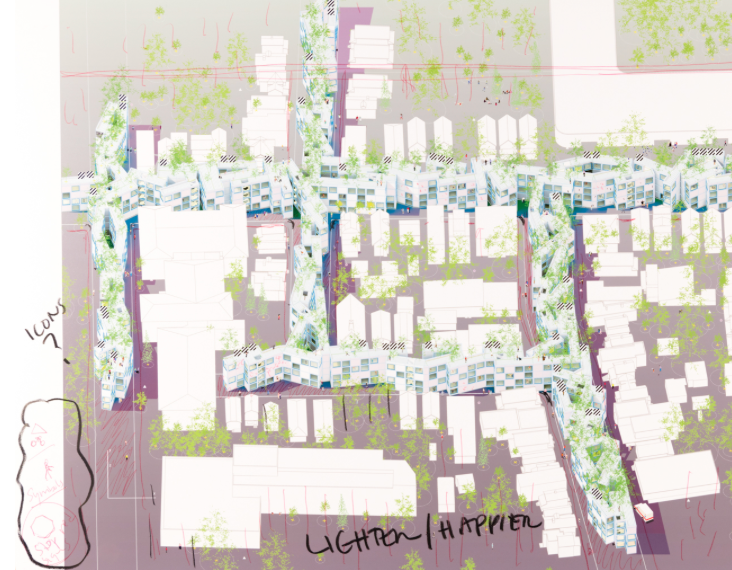
Pretty things are very important but those come only from a genuine pursue of curiosity detached from self-interest. Curiosity has no agenda, nor benefit other than the interest itself in be it the material of choice or a craft if you will. It is naive, it is simple, it has no narrative other than what is there. It is like love from first sight, it needs no words. I liked the Light ChairStructure below the seat, just for the scale feet are 20x20 mm thick, parts are slim by Janez Suhadolcb. (1943) Slovenian architect who works in the field of design and arts because it’s goal was a simple design ambition solely interested in the merit of its solution, it felt slightly architectural with beams under the seat spanning similarly to what bridges have. And the bracing made out of aluminium pipes. The design felt light, maybe overly pragmatic but it felt like a solution, an exercise in ones capacity for problem solving, it was exciting. I also liked studio Zelt fabric pavilionJohannes taking off the tension of the ropes holding up the fabric. It felt like Johannes Offerhausb. 1993 head designer of studio Zelt specialised in fabric construction had so much joy in just working with various materials, detailing the nylon fabric to such high level and cnc-ing custom hardwareCnc-ed aluminium piece of the structure in language similar to hiking gear which fits the theme of the commission in order to stack carbonfiber pipes, utterly over engineered yet as a design it solves perfectly the problem commissioned by north face to ascend a peak with a pavilion in a backpack. When I was there he took his time to show me how it is built up so he took it partially apart. Pavilion acted as a closed off universe with all parts working in a beautiful choreography of a design problem, or ones ambition. I didn’t like anything else. I caught myself thinking about this one liner I saw on one of the doodles by mos architects where it simply says more friendly. Many of the designs didn't have that, felt too self important while work had little to if anything at all to offer in terms of ability or curiosity for the world we live in.
Doodle by mos architects for Housing No. 1, MoMA Foreclosed Orange, New Jersey, 2011
I come to think of Hermann Czechb. 1936 Austrian architect who spoke of architecture but I equally apply it to design and I think Jasper Morrisonb. 1956 English product and furniture designer would agree with me; “all attempts to extort another role for architecture apart from standing there and keeping quiet” is suspicious. As in the thing made should speak for itself.